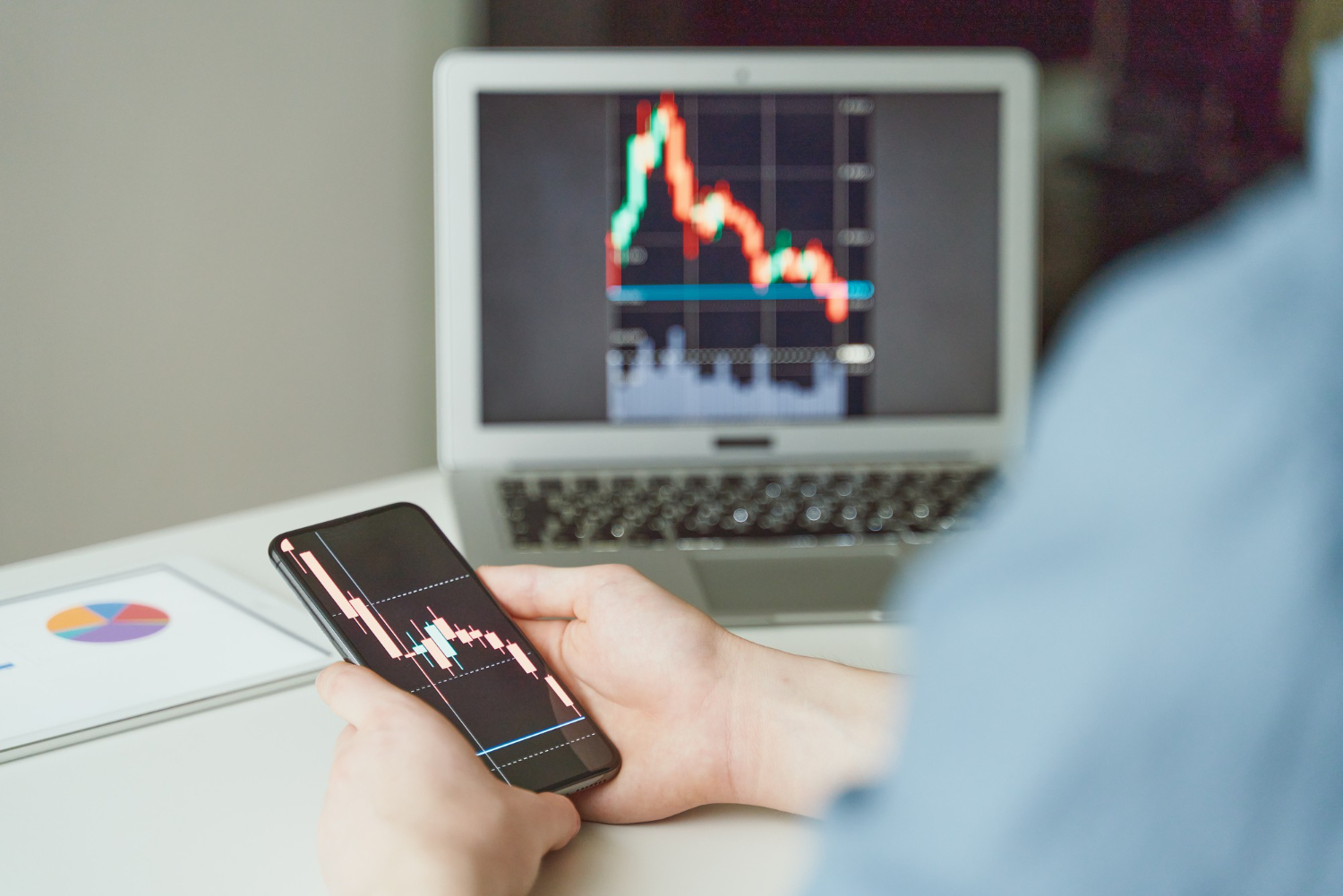

The Philippine financial landscape is undergoing a transformative shift, driven by the burgeoning practice of spread trading. As traders seek to exploit market inefficiencies, a wealth of opportunities emerges, reshaping investment strategies across the region. This exploration delves into the nuances of spread trading, highlighting key strategies, the regulatory environment, and inspiring success stories that illustrate its potential. Join us as we uncover the future of trading in the Philippines and the innovative tactics shaping this exciting evolution.
Market Inefficiencies in the Philippines
In the Philippine financial markets, various inefficiencies exist that present lucrative trading opportunities, influenced by local economic conditions and regulatory frameworks.
Identifying Opportunities
To identify trading opportunities in the Philippines, traders may utilize tools such as TradingView and Bloomberg Terminal to conduct thorough analyses of economic indicators and price movements. Additionally, it is advisable for traders to monitor local economic reports, including GDP growth and inflation rates, as these metrics provide valuable insights into market health.
The employment of technical indicators, such as the Relative Strength Index (RSI) and Moving Average Convergence Divergence (MACD), can further assist in identifying overbought or oversold conditions. Furthermore, leveraging trading algorithms can automate the detection of arbitrage opportunities, facilitating more rapid decision-making. By combining these methodologies, traders can develop a comprehensive strategy that significantly enhances the likelihood of successful trades.
Strategies for Successful Spread Trading
Successful spread trading in the Philippines necessitates a combination of clearly defined strategies and thorough market analysis to effectively navigate potential risks.
Technical Analysis Techniques
Utilizing technical analysis techniques, such as Fibonacci retracement and moving averages, can significantly improve the efficacy of spread trading strategies. For example, by applying Fibonacci retracement levels, traders can identify potential reversal points within the market. The process begins by marking the most recent high and low on the price chart, followed by overlaying the retracement levels (23.6%, 38.2%, 50%, and 61.8%) to identify areas where the price may experience a rebound.
Incorporating the 50-day moving average in conjunction with the Fibonacci levels serves to confirm trends, thereby providing more robust signals for entry and exit points. By integrating these methodologies, traders can enhance their strategic decision-making and improve their risk management practices.
Regulatory Environment
The regulatory landscape in the Philippines is instrumental in shaping trading strategies, encompassing laws that govern transaction costs, market manipulation, and trading practices. Traders are required to navigate key regulations established by the Securities and Exchange Commission (SEC), which is responsible for the enforcement of the Securities Regulation Code.
Recent developments, including enhanced transparency requirements and more stringent reporting standards, underscore the importance of maintaining compliance. For example, traders are now obligated to submit detailed trade reports on a quarterly basis, ensuring that all transaction costs are fully disclosed. Non-compliance can result in significant fines or the suspension of trading licenses, making it imperative for traders to remain informed about SEC guidelines and to seek legal counsel when necessary.
Case Studies of Successful Traders
Analyzing the strategies of successful traders in the Philippine market provides valuable insights into effective spread trading practices. One prominent trader, Carlos De Leon, specializes in oil futures and employs a combination of fundamental analysis and technical indicators to guide his trading decisions. Over the course of a year, he achieved a return on investment (ROI) of 45% by utilizing tools such as TradingView for charting and TradeStation for executing trades.
Another trader, Maria Santos, focuses on equities and employs a delta-neutral strategy. She frequently adjusts her spreads in response to market volatility, executing trades at least four times a week, and has reported an impressive ROI of 35% during the same period. Both traders utilize mobile applications for real-time updates, which facilitates swift decision-making in a dynamic market environment.
Future of Spread Trading in the Philippines
The future of trading spread in the Philippines appears promising, supported by advancements in technology and an increasing level of market sophistication. Fintech innovations, including mobile trading applications and algorithm-driven platforms, are democratizing access to spread trading, thus enabling a greater number of individual investors to engage in this market.
Economic conditions, particularly fluctuations in interest rates and commodity price volatility, could significantly influence trading strategies. The evolving demographics of traders-predominantly comprising younger, tech-savvy individuals-tend to favor automated tools that utilize artificial intelligence and machine learning. These technologies possess the capability to analyze extensive datasets, thereby optimizing spread strategies and enhancing risk management. As these trends continue to converge, one can anticipate the emergence of more dynamic trading environments that address the diverse needs of investors.